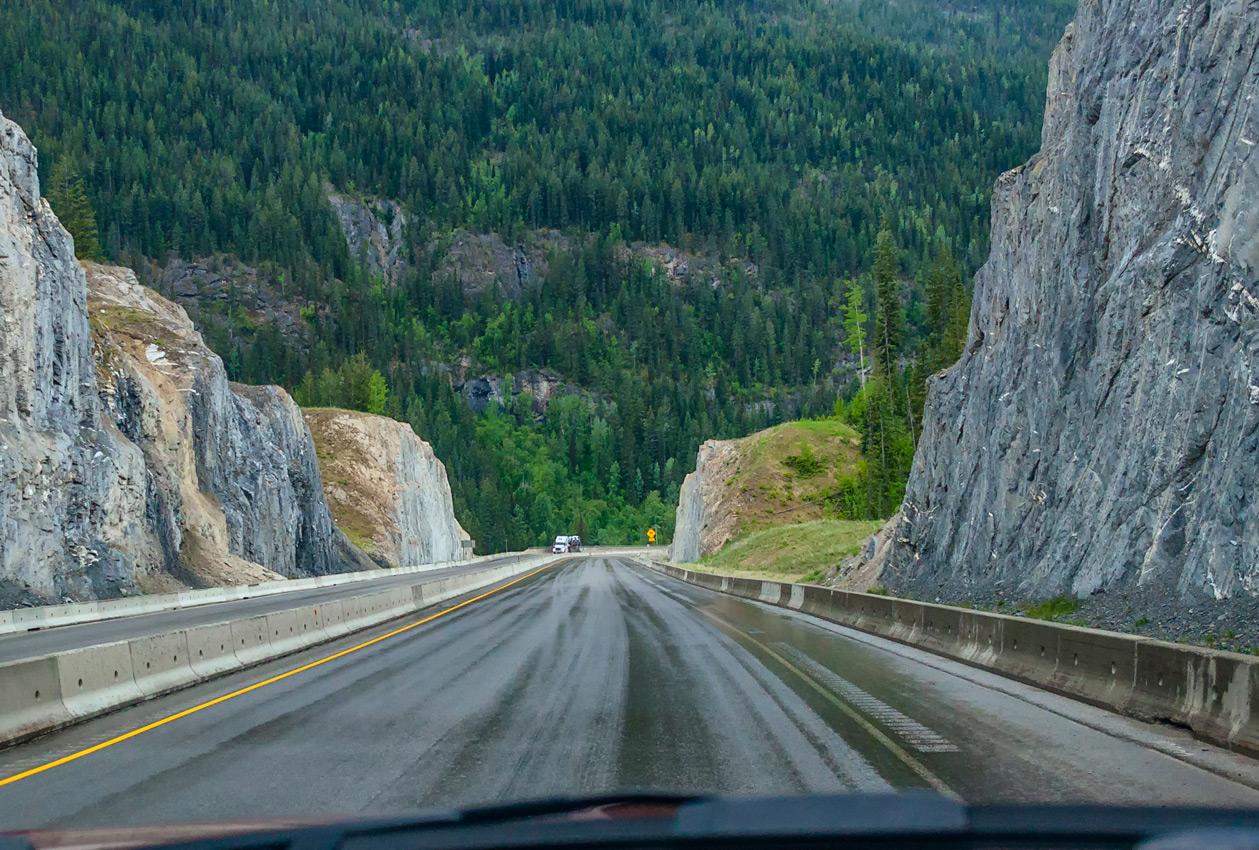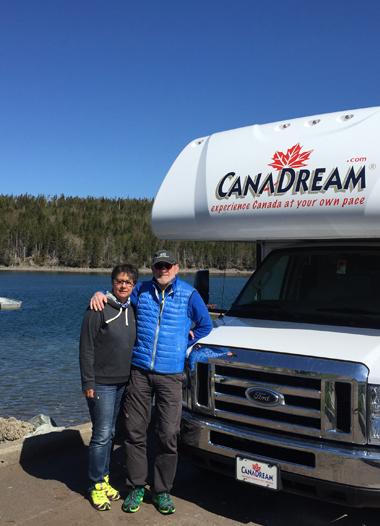
A coast-to-coast Canadian road trip can mean thousands of kilometres of changing terrain: mountain passes, prairie highways, and long northern stretches where services are sparse. A journey of this scale puts real demands on a vehicle, and for travellers planning weeks of continuous driving, the question of reliability is not a small one. This guide looks at how CanaDream RVs perform over long distances, what happens when something goes wrong in a remote location, and how the fleet is maintained between rentals.
May 2026
RV Rentals in Canada: What Makes CanaDream Motorhomes Built for Long-Distance Travel
May 27th 2026
What Makes a Cross-Country RV Trip Different from a Short Holiday?
A weekend trip covers a few hundred kilometres and rarely pushes a vehicle beyond its comfort zone. A cross-country journey is a different proposition entirely. Covering 10,000 kilometres or more across varying terrain, elevation, and temperature zones tests every system in the vehicle: the engine, the suspension, the electrical setup, the water system, and the heating and cooling units.
Long-distance RV travel also has a human side to consider. Days of continuous driving, cooking every meal onboard, sleeping in the same space, and managing fresh water and waste on a rolling schedule all require a vehicle that functions reliably without constant attention. When something goes wrong on day three of a five-week trip, the impact on the overall journey is very different from a short rental where a workaround is easy to manage.
Interior space matters, but long-distance reliability matters more on a five-week trip. CanaDream's fleet is designed with high-kilometre travel in mind, and understanding what that means in practice helps set realistic expectations before the first kilometre is driven.
How CanaDream Vehicles Perform Over Long Distances
CanaDream operates a well-established RV rental fleet across Canada, with vehicles selected and maintained specifically for multi-week, high-kilometre rentals. The motorhome range, from the Compact Motorhome (MHC) through to the Maxi Plus Motorhome (MHX), is built on chassis designed for high-kilometre routes. These are not leisure vehicles pressed into service; they are purpose-built units intended to cover serious distances.
Campervans including the Deluxe Van Camper (DVC), Super Van Camper (SVC), and Maxi Travel Camper (TCA) are well-suited to cross-country travel in terms of driving performance, with smaller footprints that make them easier to manage on highways and in rural areas. Their onboard systems are simpler, which means fewer components that can require attention on a long journey.
For travellers planning routes that include the Trans-Canada Highway, the Rocky Mountain passes, or remote northern routes, the Maxi Motorhome (MHA) and Large Motorhome (MHL) offer the combination of engine capacity, fuel range, and onboard resilience that makes multi-week travel feel manageable rather than precarious.
Are CanaDream RVs Consistently Maintained Between Rentals?
How a vehicle is maintained between rentals determines everything on a long-distance trip. CanaDream operates a structured maintenance programme across its fleet, with each vehicle inspected and serviced between rental periods. Maintenance checks cover mechanical systems, onboard appliances, water and waste systems, tyres, and safety equipment.
Before each rental, vehicles go through a pre-departure inspection and travellers receive a full orientation covering how every system operates. Knowing how to manage the generator, water tanks, heating system, and electrical hookups reduces the likelihood of avoidable issues arising mid-trip.
Is Roadside Assistance Reliable on Remote Canadian Routes?
CanaDream provides 24/7 emergency roadside assistance for the duration of the rental, with a toll-free helpline available if a breakdown or accident occurs on the road. The number is included in your rental documentation and is worth saving before departure, ideally somewhere accessible without data coverage on remote stretches. Note that cost responsibility can depend on the circumstances and whether optional protection such as Peace of Mind coverage was selected, so it is worth reviewing your rental agreement before setting off.
That said, response times in genuinely remote areas will be longer than in urban corridors. A breakdown on the Cassiar Highway or a stretch of the Alaska Highway with no cell signal is a different situation from one on the outskirts of a city. The practical approach is to treat roadside assistance as a reliable safety net, plan fuel and supply stops conservatively, and build enough flexibility into the itinerary that an unplanned delay does not derail the whole trip.
Which Models Are Best Suited to Cross-Country Distance?
Not every model in the fleet is equally suited to a 10,000-kilometre journey, and being clear about that helps travellers make better decisions.
For solo travellers or couples covering long distances efficiently, the SVC and TCA offer strong driving performance with lower fuel consumption and easier handling in variable terrain. The compact dimensions of both models make them easier to park in smaller towns and at busier campgrounds.
The Compact Motorhome (MHC) is worth particular attention for couples on extended trips who want full onboard facilities without the driving demands of a larger unit. The MHC sits in a practical middle ground: manageable enough for first-time RV drivers on long highway stretches, yet equipped with everything needed for self-sufficient travel.
For couples or small groups who want to live comfortably while covering serious distance, the Midi Motorhome (MHB) and MHL strike the best balance between interior livability and manageable driving dimensions. Both models include full onboard facilities and handle multi-week trips well.
For larger groups or travellers who want maximum comfort on a coast-to-coast route, the MHA and Maxi Plus Motorhome (MHX) provide the most interior space and onboard comfort. Fuel costs will be higher, and navigating smaller towns requires more care, but for long-haul highway driving these are the most capable units in the fleet.
RV Model | Best For | Distance Suitability | Key Consideration |
Couples, efficient travel | Good | Lower fuel costs, compact | |
Adventurous couples | Good | Flexible routing, varied terrain | |
Couples, small families | Very good | Full facilities, easy to drive | |
Families, long haul | Well suited to extended highway travel | Best balance of space and handling | |
Groups, maximum comfort | Well suited to extended highway travel | Higher fuel, outstanding livability | |
Budget travel | Good | Older units, variable layout |
How Should You Plan Fuel Stops on a Cross-Country RV Route?
Fuel is one of the most significant costs on a long RV trip and worth planning before departure. Consumption varies across the fleet depending on vehicle size, load, speed, terrain, and generator use. The TCA runs a diesel engine and averages approximately 16 L/100 km. The DVC averages 15–20 L/100 km. All motorhomes from the MHC through to the MHX average 25–30 L/100 km under typical driving conditions. Full specifications are available on the CanaDream RV Specifications page.
Treat these figures as a planning baseline rather than a guarantee. On a coast-to-coast drive of roughly 7,000 kilometres, the difference between a campervan and a large motorhome adds up to hundreds of litres, which is a meaningful budget consideration.
On remote stretches in northern British Columbia, the Yukon, or across the prairies, fuel stations can be spaced 100 kilometres or more apart and are not staffed around the clock. Keeping the tank above half on isolated sections is a simple habit that removes a common source of stress.
What Practical Steps Make a Cross-Country RV Journey More Reliable?
Choosing the right vehicle is the first step. Preparation before departure and driving habits on the road also make a significant difference to how smoothly a long journey unfolds.
- Book well in advance, particularly for summer departures, to secure the model that best fits the route and group size
- Use the pre-departure orientation fully; understanding the vehicle's systems before leaving reduces the chance of minor issues becoming major ones on a remote stretch
- Plan campground bookings ahead, especially in national parks where sites fill up weeks in advance
- Save the CanaDream roadside assistance number before leaving the depot, and ensure it is accessible without data coverage
- Carry a basic toolkit and familiarise yourself with the vehicle's fuse box and water shutoff locations
- Monitor tyre pressure regularly, particularly when moving between temperature zones or after mountain driving
- Keep fuel levels conservative on remote stretches, and do not rely on the next service station being open or staffed
Frequently Asked Questions About Cross-Country RV Travel with CanaDream
Are CanaDream RVs reliable enough for a coast-to-coast Canadian trip?
Yes, CanaDream RVs are reliable enough for a coast-to-coast Canadian trip. The core motorhome range is designed for sustained, high-kilometre use across varied terrain and conditions, and the fleet is selected and maintained specifically with multi-week, long-distance rentals in mind.
Is roadside assistance included if the RV breaks down on a remote stretch?
Yes, roadside assistance is included with every CanaDream rental, with 24/7 support accessible via a toll-free number provided in your rental documentation. Response times in genuinely remote areas will be longer than in urban corridors, so building flexibility into your itinerary on isolated stretches is a sensible precaution. It is also worth saving the number somewhere accessible before setting off, in case you are travelling through an area with no data coverage.
Is a larger motorhome a better choice than a smaller one for a very long trip?
Not necessarily, as the right motorhome size depends on group size, driving experience, and budget rather than distance alone. Mid-to-large models such as the Midi Motorhome (MHB) and Large Motorhome (MHL) offer a strong balance of driving comfort and interior livability for extended travel, but a well-equipped compact model can be equally well-suited for couples covering serious distance.
Are CanaDream vehicles serviced between every rental?
Yes, CanaDream vehicles are inspected and serviced between every rental. Each service covers mechanical systems, onboard appliances, water and waste systems, tyres, and safety equipment, so the vehicle is in sound condition before each new departure.
Are campervans suitable for cross-country travel across Canada?
Yes, campervans such as the Super Van Camper (SVC) and Maxi Travel Camper (TCA) are suitable for cross-country travel and are often easier to handle on varied terrain than larger motorhomes. The trade-off is less interior space and fewer onboard facilities, which is worth considering when planning a trip of several weeks or more.
Is summer the best time of year for a cross-country Canadian RV trip?
Yes, late June through early September is the most reliable window for a cross-country Canadian RV trip, offering the best road conditions, maximum daylight hours, and full access to campgrounds and national parks. Shoulder seasons in May and late September can suit experienced travellers looking for quieter routes, though some campgrounds may be closed and weather is more variable across mountain and northern stretches.
Season | Months | Conditions | Best For |
Peak summer | Late June – early September | Best road conditions, maximum daylight, full campground access | First-time cross-country travellers, families |
Shoulder season | May, late September – early October | Variable weather, some campground closures, quieter routes | Experienced travellers, those avoiding crowds |
Winter | November – March | Challenging road conditions, limited campground access, water systems require winterisation | Experienced winter travellers using CanaDream's winterised fleet, available from select locations |
Is a Coast-to-Coast Canadian RV Trip Achievable for Most Travellers?
The answer is yes, and the CanaDream fleet has been structured around exactly that kind of travel. Canada's scale and variety make it one of the most rewarding destinations for long-distance RV travel, with coast-to-coast routes that few other countries can offer.
The key is choosing a model that fits the journey, understanding the vehicle before setting off, and planning the route with the scale of the trip in mind. With the right preparation, the vehicle becomes the most reliable part of the trip.
For a full overview of the CanaDream fleet, visit the RV Models Overview page.View current promotions are available with Special Offers, and access exclusive benefits via CanaDream Club.