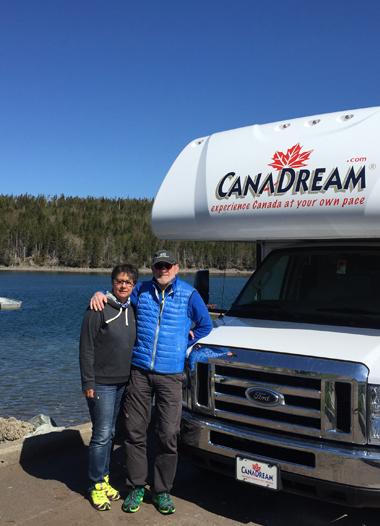
Picking the right RV size can make or break an extended Canadian road trip. Get it right, and the vehicle becomes a comfortable home on wheels. Get it wrong, and even spectacular scenery cannot compensate for cramped sleeping, limited storage, or rising fuel costs. The CanaDream fleet includes compact campervans and full-size motorhomes, and this guide explains what those size differences mean for a long trip.
May 2026
Choosing the Right Size RV Rental in Canada for a Long-Term Road Trip
May 21st 2026
Why RV Size Matters More on Long-Term Rentals
Short trips are forgiving. A weekend in a compact campervan is easy to adapt to, and you are home before limited space might become an issue. On a multi-week journey, the vehicle might become where you eat, sleep, avoid rain, and store your gear. Small inconveniences, such as a bed that must be reconfigured each night or a single space serving as kitchen, bedroom, and living room, can gradually reduce comfort and enjoyment.
A larger vehicle can make daily life easier on long trips. Separate areas for cooking, dining, relaxing, and sleeping allow everyone to move around without constantly getting in each other's way. For families or groups, this separation can make long stretches indoors more tolerable and keep the itinerary enjoyable even during bad weather.
Vehicle size also affects running costs. Larger motorhomes use more fuel than compact campervans, and over thousands of kilometres, this difference becomes significant. Balancing comfort with fuel efficiency is one of the most important considerations when planning a long-term Canadian road trip.
Does Larger Square Footage Noticeably Improve Long-Term Comfort?
For trips lasting two weeks or more, the answer is consistently yes. It is not about luxury: it is about having a space that works for you after week two, not just day one.
Consider a practical example. A family of four driving from Calgary to Halifax over three weeks might cover around 5,500 kilometres. On rest days or during a rainy afternoon in New Brunswick, everyone is inside. In a Maxi Motorhome (MHA) or Large Motorhome (MHL), adults can sit at the dinette while children read in the rear bedroom. In a compact campervan, four people sharing one space for an afternoon is a considerably different experience.
Larger motorhomes such as the Midi Motorhome (MHB), MHL, MHA, and Maxi Plus Motorhome (MHX) offer:
- Dedicated sleeping areas that do not need to be assembled each night
- Separate cooking, dining, and relaxing zones
- Room to move without negotiating space with travel companions
- A genuine retreat when bad weather keeps everyone inside
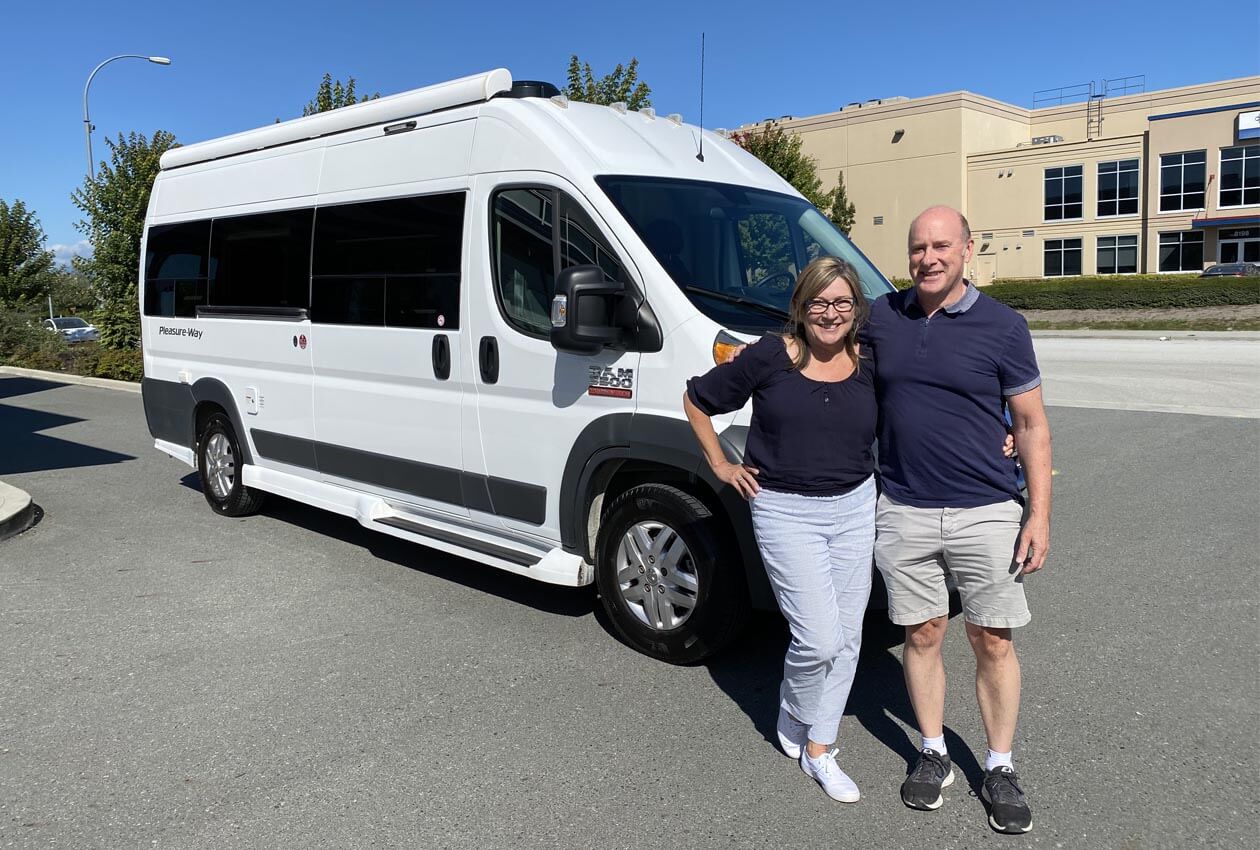
For couples spending two to three weeks on the road, the Compact Motorhome (MHC) strikes a sensible balance, offering dedicated sleeping, a functional kitchen, and a bathroom without the fuel consumption of a full motorhome. Campervans such as the Deluxe Van Camper (DVC) and Super Van Camper (SVC) suit couples travelling light and prioritising manoeuvrability on trips of two weeks or fewer. The threshold where sizing up makes a clear difference is generally the two-week mark for couples, and immediately for families with children.
How Does Vehicle Size Affect Fuel Budgeting?
Fuel is easy to underestimate on a short rental. On a month-long journey covering 6,000 kilometres or more, it becomes one of the largest variable expenses, and vehicle size is one of the biggest factors driving that number.
Campervans and smaller motorhomes consume fewer litres per 100 kilometres than full-size motorhomes. The DVC and SVC, built on van platforms, are among the most fuel-efficient vehicles in the CanaDream fleet. The Maxi Travel Camper (TCA) also performs reasonably on fuel relative to its carrying capacity, given its truck-based construction.
Full-size motorhomes, particularly the MHL, MHA, and MHX, carry larger engines and heavier chassis. Consumption increases noticeably on mountain passes, prairie headwinds, and stop-start driving near cities. Anyone choosing the MHX over the MHC for a cross-country trip should factor that gap into their fuel budget from the start.
A few habits help regardless of vehicle size:
- Maintain steady highway speeds rather than accelerating and braking frequently
- Avoid extended idling at campgrounds when shore power is available
- Plan fuel stops in advance, particularly in remote stretches
In British Columbia, northern Ontario, and the Yukon, fuel prices are higher and stations less frequent, so filling up whenever the opportunity arises is sensible.
For travellers where fuel budget is the primary concern, the Saver 2, Saver 4, and Saver 6 offer a cost-conscious entry point, with lower daily rental rates that can help offset fuel costs on longer trips. For pricing and kilometre allowance details, visit the CanaDream pricing FAQ page.
Maximising Storage Options on Long-Term RV Rentals
For trips longer than two weeks, adequate storage is essential to keep your RV organised and comfortable.
Full-size motorhomes like the MHL, MHA, and MHX provide generous storage compartments, including large exterior ski lockers that keep bulky equipment out of the living area and help the interior feel more spacious.
Smaller motorhomes and van-style units store gear mainly inside the vehicle or on roof racks, which works well for lighter packing but may require careful planning on longer trips. The Maxi Travel Camper (TCA) offers a truck bed for extra cargo, giving more flexibility for gear that won't fit inside the camper unit.
For additional carrying capacity, optional bike racks are available for MHX, MHA, MHL, MHB, MHC, and SVC vehicles (not suitable for e-bikes). See the CanaDream travel extras page for all optional add-ons.
These storage options are especially useful for travellers bringing gear such as:
- Cycling gear for the Okanagan or PEI's Confederation Trail
- Hiking equipment for Jasper or Cape Breton Highlands
- Ski equipment, taking advantage of the rear ski lockers
Climate and Road Conditions Across Canada
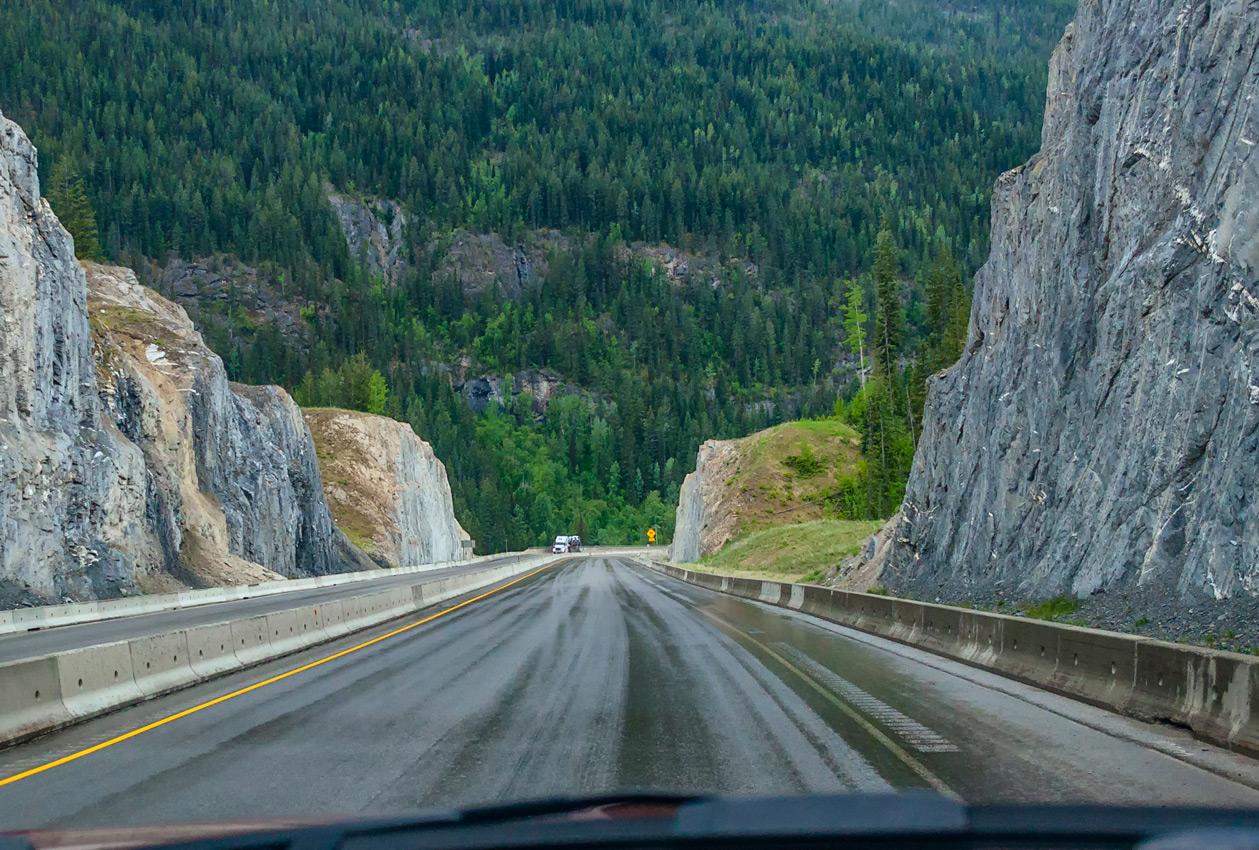
Extended road trips in Canada encounter varied conditions depending on region and season. Summer offers the most reliable driving conditions, while shoulder seasons in May and September bring quieter campgrounds at the cost of cooler temperatures and less predictable weather.
Region | Best Months | Conditions | Avg High / Low (°C) | Watch Out For |
Alberta Rockies | June – August | Warm days, cool nights; passes fully accessible | 22 / 7 | Afternoon thunderstorms; book campgrounds early |
British Columbia Coast | July – September | Warm and dry; long evenings | 22 / 12 | Coastal fog in the morning; May/June can be wet |
Ontario | June – August | Humid and warm; full facilities open | 27 / 15 | Campgrounds fill quickly in July and August |
Atlantic Canada | July – August | Mild coastal breeze; most reliable weather | 24 / 12 | Rain possible at any time; June can be cool |
Yukon | June – August | Mild temperatures; exceptionally long daylight hours | 20 / 8 | Remote stretches with limited fuel and services |
Weather patterns affect vehicle choice in practical ways. Rainy stretches mean more time inside, making sizing up a meaningful comfort buffer for regions with variable weather.
RV Model Suitability for Extended Canadian Road Trips
CanaDream RV Model | Ideal For | Living Space | Driving Ease | Long-Term Rental Suitability |
Couples, minimalist travel | Compact, efficient | Very easy | Best suited to shorter trips; limited interior and storage | |
Couples or solo travellers | Compact with amenities | Very easy | Good manoeuvrability; works best under two weeks | |
Adventurous couples | Compact, flexible | Easy | Truck box adds useful external storage; suits varied terrain | |
Couples, small families | Moderate with full facilities | Easy | Practical balance for two-to-three week trips | |
Families | Comfortable living and sleeping space | Moderate | Popular for multi-week itineraries | |
Families or groups | Spacious interior | Moderate | Exterior storage bays; suited to longer trips | |
Larger families | Very spacious with defined zones | Moderate | Designed for extended road trips | |
Groups, long journeys | Maximum space and storage | Moderate | Best option for cross-country or multi-week travel | |
Budget-focused couples | Compact, functional | Varies | Older vehicles; layout may differ | |
Budget-focused families | Moderate space | Varies | Vehicle type not guaranteed | |
Budget-focused groups | Larger sleeping capacity | Varies | Best for flexible travellers |
Interior layouts may vary by model year. Saver categories are assigned based on availability and do not represent a fixed RV model. Full specifications are available on the CanaDream vehicles page.
Matching Vehicle Size to Trip Length and Group Size
A few practical guidelines to help narrow the choice:
- Solo travellers and couples on trips of up to two weeks will do great in the DVC or SVC. The compact footprint makes parking and navigating smaller towns easy, and the layout works well when most of your time is spent outdoors.
- Couples planning three weeks or more will notice the difference stepping up to the MHC or MHB. A dedicated sleeping area and bathroom matter more than most people expect once the trip stretches beyond the first week.
- Families of three or four covering two weeks or more should look at the MHB as a starting point, and the MHL or MHA if budget allows. The extra berths, defined sleeping zones, and exterior storage make a real difference with children on board.
- Groups of five or six, or families planning month-long journeys, will find the MHA and MHX offer the space and storage that make extended travel comfortable rather than just manageable.
The CanaDream Club is also worth reviewing, as membership benefits may apply to longer or repeat rentals.
Campground Booking for Extended Trips
Campground availability connects directly to vehicle size. Larger motorhomes require pull-through sites or sites with adequate depth and width, and these are often the first spots reserved.
Parks Canada and provincial parks open reservations months in advance, and peak-season spots at Banff, Jasper, Algonquin, and Cape Breton fill quickly. Reservations can be made through Parks Canada's reservation portal. Checking site dimensions when booking is essential for full-size motorhomes, as some older campgrounds have limited access for larger vehicles. A mix of serviced and unserviced sites keeps costs manageable.
Frequently Asked Questions About Choosing the Right RV Size
Does a larger motorhome always make a long trip more comfortable?
Yes, a larger motorhome consistently improves comfort on trips lasting two weeks or more. Defined sleeping, cooking, and living zones make rest days and wet weather considerably more manageable for couples, families, and groups.
Is a campervan a suitable choice for a month-long Canadian road trip?
Yes, a campervan can suit a month-long trip for a couple or solo traveller who spends the majority of time outdoors and is comfortable with a compact living space. For those who prioritise full bathroom access, more storage, or indoor comfort during variable weather, a motorhome will serve better.
Does vehicle size significantly affect fuel costs on an extended trip?
Yes, vehicle size significantly affects fuel costs across a long road trip. Full-size motorhomes consume more litres per 100 kilometres than campervans and compact models, and this difference accumulates substantially over thousands of kilometres. Building a realistic fuel estimate into the budget from the outset avoids surprises.
Is exterior storage capacity worth prioritising when renting for a multi-week trip?
Yes, exterior storage is worth prioritising if the trip involves outdoor gear, multiple activity types, or remote areas where resupplying is infrequent. Dedicated exterior bays on full-size motorhomes keep living space clear and gear accessible throughout.
Can I reserve a specific CanaDream RV model for an extended trip?
Yes, specific CanaDream models can be reserved in advance, though availability varies by season and location. Summer demand is high, so early booking is strongly recommended. The CanaDream special offers page lists current options, and the general FAQs page covers common booking questions.