A month-long motorhome rental offers the freedom to explore Canada at your own pace, but it also raises practical questions about daily life on the road. Living in a CanaDream motorhome for four weeks or longer requires adjustments to routines, space management, and expectations. This guide examines what full-time RV living actually looks like and whether extended motorhome travel feels sustainable or restrictive.
May 2026
Long-Term Motorhome Rental: How to Live Comfortably on the Road for a Full Month
May 15th 2026
What Does a Month in a Motorhome Actually Look Like?
A full month in a motorhome shifts the experience from vacation mode to something closer to temporary relocation. The first week often feels like an extended road trip, but by week two, routines begin to form. You develop preferences for certain campgrounds, figure out efficient grocery shopping patterns, and establish a rhythm that works for your travel style.
The motorhome becomes a home base rather than just a place to stay. Most travellers find that the first two weeks require the most adjustment, while weeks three and four feel more natural. The question isn’t whether you can live in a motorhome for a month, but whether the lifestyle suits your personality and travel goals.
Daily Routines That Change in RV Life
Certain routines require complete rethinking when living in a motorhome. Morning coffee happens in a compact kitchen rather than a full-sized one. Showers become shorter due to limited water tank capacity. Laundry shifts from weekly loads at home to campground facilities or laundromats every few days.
Food storage requires planning, as refrigerator space is significantly smaller than household models. Fresh produce gets prioritised over frozen goods, and grocery trips happen more frequently. Most people adjust to shopping every three to four days rather than weekly, which actually reduces food waste and keeps ingredients fresher.
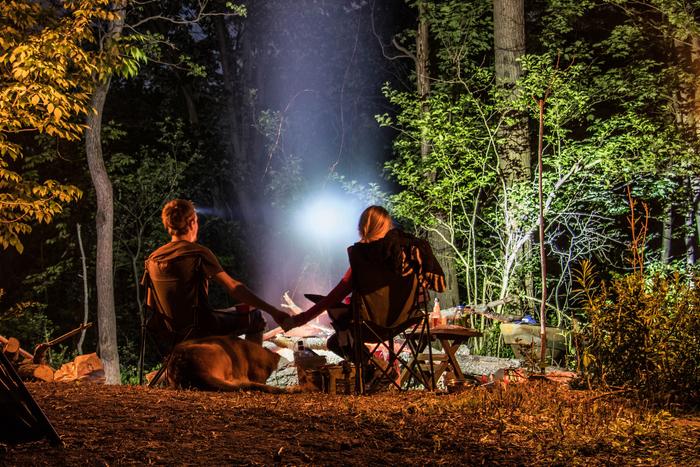
Evening routines compress into the motorhome’s limited space. Entertainment centres around smaller screens, books, or outdoor activities like campfires. Privacy becomes a luxury, especially for families, as separate rooms don’t exist in most RV layouts.
Is the Motorhome Kitchen Practical for Daily Meal Prep?
The motorhome kitchen handles daily cooking surprisingly well, though it requires downsizing from home habits. Most CanaDream models include a three-burner stove, microwave, and adequate counter space for meal preparation. The limitations appear in storage and appliance availability rather than cooking capability itself.
The refrigerator holds enough for three to four days of fresh food, assuming smart packing and meal planning. Dry goods like pasta, rice, and canned items are stored easily in overhead cabinets. Eating out balances home cooking, with most month-long travellers preparing breakfast and lunch in the RV while dining out for dinner two to three times per week.
Does the Interior Feel Like Living Space or Just Temporary Accommodation?
The interior transforms from temporary accommodation to a genuine living space around week two. Initially, everything feels compact and unfamiliar. By the third week, the motorhome feels personalised. You know exactly where everything lives, which spot offers the best light for reading, and how to maximize comfort during rainy days.
Larger motorhomes with slide-outs provide significantly more livable space. Families particularly benefit from models with separate sleeping areas and dedicated dining spaces. The key difference between feeling cramped and comfortable often lies in the time spent outdoors. Long-term RV living works best when the motorhome serves as a base for external activities rather than the primary location for all waking hours.
Bathroom and Shower Facilities: How Do They Hold Up?
Motorhome bathrooms function adequately for daily use but require adjustments. Showers are smaller than home versions and have limited hot-water capacity. Most people switch to five-minute showers, which feel restrictive at first but become normal quickly.
The toilet uses a holding tank system that needs to be emptied every few days, depending on usage and tank size. This task becomes routine rather than unpleasant once you’ve done it a few times. Many long-term travellers supplement onboard facilities with campground bathrooms when available, which extends the motorhome’s holding tank capacity.
What About Laundry, Groceries, and Other Chores?
Laundry becomes a regular task rather than a weekly marathon. Most campgrounds offer coin-operated machines, or you’ll visit local laundromats every three to five days. This frequent washing actually simplifies the process, as loads stay small and quick.
Grocery shopping shifts to shorter, more frequent trips. Shopping patterns adapt to regional availability, with local produce and specialties replacing familiar brands. General cleaning takes less time in a motorhome than in a house, though it happens more frequently. The compact space means thorough cleaning takes no more than 30 minutes.
Which CanaDream Motorhome Works Best for Month-Long Living?
CanaDream RV Models for Extended Living
Model | Sleeping Capacity | Living Space | Ideal Duration | Best For |
4 people | Moderate | 2-4 weeks | Small families | |
4-5 people | Comfortable | 3-6 weeks | Families, friends | |
5-6 people | Spacious | 4-8 weeks | Larger families | |
6 people | Very spacious | 1-3 months | Extended trips, winter travel | |
6-7 people | Maximum | 1-3 months | Long-term, large groups |
The Maxi Motorhome (MHA) stands out for month-long trips due to its balance of space, amenities, and drivability. The MHA also operates year-round with proper winterization, extending the season for long-term renters.
What Gets Easier After the First Week?
The learning curve flattens significantly after seven to ten days. Tasks that felt awkward initially, like levelling the RV, hooking up utilities, or managing tank levels, become automatic. Driving the motorhome transforms from stressful navigation to comfortable travel.
The biggest mental shift occurs when you stop treating the motorhome like temporary accommodation and accept it as your actual living space. This psychological adjustment makes the compact quarters feel adequate rather than restrictive, and daily life settles into a sustainable rhythm.
What Challenges Persist Throughout the Month?
Despite growing comfort, certain challenges remain throughout extended trips. Weather variability affects plans constantly. Privacy limitations persist, particularly for families or friends sharing the space. Successful long-term travellers establish quiet hours, individual activity time, and clear communication about space needs.
Homesickness or travel fatigue affects some people around week three. The excitement of constant exploration wanes, and the appeal of a permanent address resurfaces. This feeling typically passes, but recognising it as normal helps maintain perspective.
Frequently Asked Questions About Month-Long Motorhome Living
Is a motorhome comfortable enough to live in for two full months?
Yes, a motorhome provides adequate comfort for a two-month stay, though the experience differs significantly from living in a house. Larger models such as the Maxi Motorhome (MHA) or Maxi Plus (MHX) offer the most livable space with separate sleeping zones, full kitchens, and proper bathrooms. Most people find that the first three weeks involve the steepest adjustment curve, after which the motorhome genuinely feels like home. Weather conditions, campground quality, and personal tolerance for minimalism all influence long-term comfort levels.
Does living in an RV start to feel cramped after a few weeks on the road?
Yes, living in an RV can feel cramped initially, but most people adapt within two to three weeks as routines develop and organisation improves. The sensation of cramped space depends heavily on motorhome size, outdoor time, and whether you’re travelling alone, as a couple, or with family. Larger models with slide-outs provide significantly more room, while compact campervans feel tighter throughout the trip. Spending time outside at campgrounds, hiking, or exploring destinations prevents the interior from feeling restrictive. Many long-term travellers report that by week three, the motorhome feels like a cosy home rather than a cramped space.
Are the beds comfortable for everyday sleeping in the long term?
Yes, CanaDream motorhome beds provide comfort for everyday sleeping during month-long trips. Most models feature proper mattresses rather than converted cushions, providing support similar to that of standard beds. The main bedroom in larger motorhomes includes a dedicated sleeping space with a mattress designed for nightly use. Some travellers add mattress toppers for extra cushioning, though most find the standard setup sufficient. Sleep quality depends more on campground noise levels and temperature control than mattress comfort itself. After the first few nights of adjustment, most people sleep well throughout extended trips.
Which layout works best for a family travelling full-time?
Families travelling full-time benefit most from layouts with separate sleeping zones and defined living areas. The Maxi Motorhome (MHA) and Maxi Plus (MHX) provide the best family layouts, with private bedrooms for parents, bunk beds or convertible dinettes for children, and adequate storage for everyone’s belongings. Models with slide-outs create more interior space during stationary periods, reducing the cramped feeling common in smaller RVs. Families should prioritise motorhomes with full bathrooms, proper kitchens, and enough seating for everyone to eat together comfortably. Privacy becomes increasingly important on trips longer than two weeks, making separate sleeping zones essential for harmony.
Is there enough storage space for clothes, groceries, and outdoor gear on a multi-month trip?
Yes, there is adequate storage for extended trips, though it requires efficient packing and regular organisation. Each person should limit clothing to one large suitcase’s worth of versatile, layerable items. Kitchen storage accommodates three to four days of groceries in the refrigerator plus dry goods in overhead cabinets. Outdoor gear, such as hiking boots, jackets, and camping chairs, fits in exterior compartments. Larger motorhomes such as the Maxi Motorhome (MHA) offer significantly more storage than compact campervans. Successful long-term travellers avoid overpacking, as unused items take up valuable space.
Does the interior feel practical for daily life rather than just for short holidays?
Yes, the motorhome interior becomes highly practical for daily life after an initial adjustment period. The first week feels temporary and cramped, but by week two, most people develop efficient routines that make the space work naturally. The kitchen handles meal preparation well, though it requires simpler cooking methods than home kitchens. The key to long-term practicality lies in treating the motorhome as your primary living space rather than temporary accommodation. Outdoor living extends usable space significantly, making the interior feel less restrictive when weather permits campsite time.
Does the kitchen setup work for cooking most of your meals instead of eating out?
Yes, the kitchen setup works well for cooking most meals during extended trips. CanaDream motorhomes include three-burner stoves, microwaves, and refrigerators adequate for daily meal preparation. The main limitations are counter space and appliance availability, rather than fundamental cooking capability. Most long-term travellers prepare breakfast and lunch in the RV while dining out for dinner two to three times weekly. One-pot meals, grilled foods, and simple recipes work better than elaborate dishes requiring multiple pots and extensive prep space. The compact kitchen encourages efficient cooking habits that actually reduce meal complexity and cleanup time compared to home cooking.