Canada’s Men’s National Team enters the 2026 International Football Tournament with home advantage, playing all three group stage matches on Canadian soil. For RVers with CanaDream vehicles, following Les Rouges offers the perfect combination of patriotic passion and accessible travel logistics. All Canadian matches occur at venues you can reach without border crossings, making this the simplest tournament following strategy while showcasing Canada’s extraordinary landscapes between matches.
March 2026
Following Canada’s Men’s National Team: RV Travel Guide for International Football
March 26th 2026
Canada’s Group Stage Schedule
Canada competes in Group B alongside Switzerland, Qatar, and one European playoff qualifier (Bosnia and Herzegovina, Italy, Northern Ireland, or Wales). The group stage determines whether the team advances to the knockout rounds, where the football world coming together creates increasingly intense competition.
Match 1: June 12, Toronto
Canada vs Bosnia and Herzegovina/Italy/Northern Ireland/Wales (TBD)
Venue: BMO Field, Toronto, Ontario
Kickoff: TBD
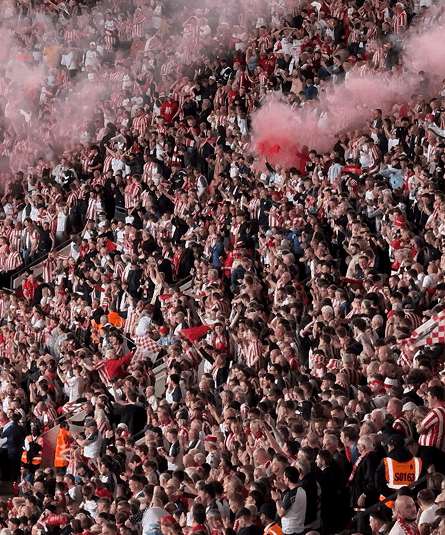
Canada’s tournament journey begins at BMO Field with the nation watching. This opener generates enormous anticipation as Canadians rally behind their team in front of a home crowd. The 30,000-capacity stadium sits on Toronto’s waterfront, providing an intimate atmosphere compared to massive venues elsewhere in the tournament.
Toronto’s urban energy combines with Lake Ontario’s waterfront setting. The city’s multicultural character reflects Canada’s diversity, with neighbourhoods representing dozens of cultures and cuisines. Late spring weather typically brings pleasant temperatures in the low 20s Celsius with occasional rain.
Match 2: June 18, Vancouver
Canada vs Qatar
Venue: BC Place, Vancouver, British Columbia
Kickoff: TBD
The second group match moves west to Vancouver, a 4,400-kilometre journey across the country. BC Place’s retractable roof protects 54,000 spectators from Pacific Northwest weather. Qatar qualified as Asian champions, bringing technical skill and tournament experience.
Vancouver sits between the ocean and mountains, offering spectacular natural beauty within Canada’s third-largest metropolitan area. The Coast Mountains rise directly from the city, creating dramatic backdrops. English Bay beaches, Stanley Park’s seawall, and Granville Island’s markets all sit minutes from downtown.
Match 3: June 24, Vancouver
Canada vs Switzerland
Venue: BC Place, Vancouver, British Columbia
Kickoff: TBD
The group stage concludes in Vancouver, with Switzerland providing the toughest group opposition. This match likely determines final group positions and advancement scenarios. Having both matches at the same venue eliminates travel between games, allowing extended Vancouver exploration.
Switzerland brings organized European tactics and tournament pedigree. The match creates genuine tension as group stage results crystallize. BC Place’s atmosphere intensifies as advancement possibilities clarify.
Choosing Your CanaDream Vehicle for Cross-Country Canada Travel
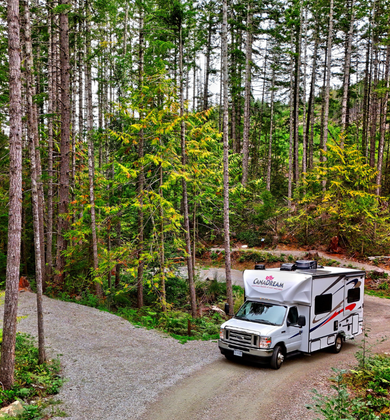
Following Canada’s matches requires crossing the country from Toronto to Vancouver, a journey showcasing Canadian landscapes from the Great Lakes through the prairies to the Rocky Mountains and the Pacific coast. Vehicle selection impacts comfort during this epic drive.
Campervans for Cross-Country Efficiency
Sleeps two in a compact format ideal for couples. The smaller size delivers better fuel economy on the 4,400-kilometre Toronto to Vancouver drive, reducing overall costs. Van-sized dimensions make urban navigation easier in both Toronto and Vancouver. The trade-off comes in limited living space during the week between Vancouver matches.
Accommodates two to three with improved amenities while maintaining campervan efficiency. This option balances comfort with fuel economy for the trans-continental journey. The enhanced kitchen and sleeping facilities make the extended trip more comfortable without the bulk of larger motorhomes.
Truck camper design provides home-like comfort in a package suited to varied Canadian roads. Four-wheel drive capability opens access to remote areas in the Rockies and coastal British Columbia. The elevated driving position offers excellent visibility across prairie expanses and mountain passes.
Motorhomes for Maximum Comfort
Sleeps three to four in the smallest motorhome format. This size provides comfortable living space for the long cross-country journey without becoming unwieldy. Families find the layout practical for the 10 to 14-day commitment required to follow all three Canadian matches.
Accommodates four travellers with separate sleeping areas and a full bathroom. This mid-size option delivers excellent comfort for extended travel while remaining manageable on mountain roads and urban streets. The sweet spot for most families is following the team coast to coast.
Large Motorhome (MHL) / Maxi Motorhome (MHA)
Larger motorhomes sleep up to six with spacious interiors. Groups sharing costs find these options economical per person. The generous living space makes long driving days more comfortable, with room for everyone to spread out during breaks. Consider the week parked in Vancouver between matches when interior space truly matters.
Recommended Vehicle by Route
For Northern Route (Trans-Canada Highway):
Any CanaDream vehicle handles the Trans-Canada Highway confidently. Larger motorhomes like the Maxi Motorhome provide maximum comfort without driving challenges on this well-maintained route.
For Scenic Mountain Routes:
Choose campervans or smaller motorhomes like the Super Van Camper or Compact Motorhome for better maneuverability on winding mountain roads through Banff, Jasper, and Yoho national parks.
The Trans-Canada Journey: Toronto to Vancouver
Northern Route via Trans-Canada Highway (4,400 km)
The Trans-Canada Highway follows the most direct path from Toronto to Vancouver, crossing Ontario, Manitoba, Saskatchewan, Alberta, and British Columbia. This route takes five to seven days of comfortable driving, passing through diverse landscapes that define Canada.
Ontario Section (Thunder Bay, 1,400 km)
Departing Toronto, the highway skirts Lake Superior’s northern shore through Ontario’s Shield country. Granite outcrops, boreal forests, and countless lakes characterize this rugged terrain. Lake Superior Provincial Park offers hiking trails to waterfalls and Superior’s dramatic coastline. Thunder Bay sits at Lake Superior’s western end, providing services and campgrounds.
Prairie Provinces (Calgary, 2,200 km)
The prairies stretch across Manitoba and Saskatchewan, vast expanses of agricultural land extending to distant horizons. Winnipeg breaks the journey midway, offering urban attractions including The Forks historic site and the Canadian Museum for Human Rights. Regina and Medicine Hat provide additional stops with campground options.
The landscape’s apparent monotony hides subtle beauty in big skies, dramatic sunsets, and grain elevators punctuating the horizon. Late June brings green fields and extended daylight lasting past 10 PM.
Rocky Mountain Crossing (Vancouver, 800 km)
The prairies end abruptly where the Rocky Mountains rise from Alberta’s foothills. Calgary sits at this transition, offering urban amenities before mountain wilderness. The Trans-Canada climbs through Banff National Park, following the Bow Valley between towering peaks.
Lake Louise’s turquoise waters reflect the surrounding glaciers. The highway continues through Yoho National Park, crossing Kicking Horse Pass before descending into British Columbia’s Interior. The final section traverses the Fraser Canyon’s dramatic gorge before reaching Vancouver’s coastal setting.
Southern Route via the United States (4,600 km)
An alternative routes south through the United States via Chicago, cross the northern tier through North Dakota, Montana, and Idaho, then north into British Columbia. This path adds distance but showcases different landscapes, including Glacier National Park and Idaho’s panhandle forests.
This option requires border crossings and US insurance coverage but offers variety for those who’ve traveled the Trans-Canada previously.
Canadian Landscapes Between Matches
Ontario’s Lake Superior Coast
Lake Superior’s north shore stretches 700 kilometres along the Trans-Canada Highway, offering some of Canada’s most spectacular freshwater coastlines. Pukaskwa National Park protects a wilderness shoreline accessible only by hiking trails and boat. Lake Superior Provincial Park provides easier access with campgrounds and day-use areas.
The lake’s cold, clear waters create dramatic weather systems. Morning fog often blankets the shore before lifting to reveal endless blue horizons. Agawa Rock features ancient pictographs painted by Indigenous peoples on cliffs rising from the water.
Sleeping Giant Provincial Park near Thunder Bay protects a peninsula whose profile resembles a reclining giant. Hiking trails explore coastal cliffs, inland lakes, and boreal forests. The park’s remoteness delivers true wilderness character despite highway proximity.
Prairie Big Sky Country
The prairies’ reputation for monotony overlooks their subtle grandeur. The landscape’s openness creates a sense of space impossible in forested or mountainous regions. Clouds build into towering formations, and weather systems approach across hundreds of kilometres of visible distance.
Grasslands National Park in southern Saskatchewan protects native prairie ecosystems nearly eliminated by agriculture. Short grass prairie extends to horizons interrupted only by occasional buttes. At night, the absence of light pollution reveals the Milky Way arcing overhead with extraordinary clarity.
Riding Mountain National Park in Manitoba creates an island of forests and lakes rising from surrounding farmland. Bison herds roam meadows, and trails explore boreal forests and aspen parkland. The park’s escarpment provides views across prairie stretching to distant horizons.
Rocky Mountain Majesty
The Canadian Rockies deliver overwhelming mountain scenery from the moment they appear on the western horizon. Banff National Park protects the range’s most accessible peaks, valleys, and glacial lakes. The Icefields Parkway connects Banff and Jasper, following 230 kilometres of spectacular mountain scenery.
Lake Louise’s turquoise waters result from glacial rock flour suspended in meltwater. The lake sits in a valley surrounded by peaks exceeding 3,000 metres. Moraine Lake in the nearby Valley of the Ten Peaks rivals Louise for photographic perfection.
Yoho National Park across the British Columbia border contains Takakkaw Falls, Canada’s second-highest waterfall at 380 metres. Emerald Lake offers canoeing beneath peaks reflected in green-tinged waters. The park receives fewer visitors than Banff despite equal beauty.
Jasper National Park extends the mountain experience northward with a slightly wilder character. The Columbia Icefield’s Athabasca Glacier allows walking on ancient ice. Maligne Lake stretches 22 kilometres into the wilderness, accessible via boat tours to Spirit Island.
BC Interior and Fraser Canyon
East of the Coast Mountains, British Columbia’s Interior presents entirely different landscapes. The Okanagan Valley’s semi-arid climate supports vineyards, orchards, and desert-like grasslands. Kamloops sits at the valley’s northern end where the Thompson River converges with the North Thompson.
The Trans-Canada follows the Thompson River downstream through increasingly narrow canyons. Hell’s Gate marks the river’s narrowest point, where the entire Fraser River squeezes through a 35-metre-wide gorge. An aerial tramway descends to river level for close-up views of the thundering waters.
Hope sits where the Fraser Canyon opens into the Lower Mainland’s broad valley. From here, the highway crosses fertile farmland before entering Vancouver’s urban sprawl.
Vancouver’s Coastal Mountain Setting
Vancouver occupies a peninsula between the ocean and mountains, creating one of the world’s most spectacular urban settings. The North Shore mountains rise directly from sea level to peaks exceeding 1,500 metres. Grouse Mountain’s gondola climbs from North Vancouver to alpine heights in 15 minutes.
Stanley Park’s 400 hectares preserve coastal rainforest within walking distance of downtown towers. The seawall path circles the park for 9 kilometres, offering views across English Bay to mountains beyond. Towering Douglas firs and western red cedars create a forest cathedral atmosphere.
The Capilano Suspension Bridge crosses a rainforest canyon 70 metres above the Capilano River. Treetop walkways extend through the forest canopy, providing perspectives impossible from ground level. The surrounding temperate rainforest showcases British Columbia’s signature ecosystem.
Lighthouse Park in West Vancouver protects old-growth forest leading to rocky headlands above Burrard Inlet. Trails wind among massive Douglas firs, some exceeding 500 years old. The lighthouse itself offers views across the Georgia Strait to Vancouver Island’s mountains.
Vancouver Week: Between Matches
The six days between Canada’s June 18 and 24 matches allow deep exploration of Vancouver and surrounding regions. Rather than rushing elsewhere, use your CanaDream base to explore coastal British Columbia’s extraordinary diversity.
Gulf Islands
BC Ferries connects the Lower Mainland to the Gulf Islands archipelago scattered across the Georgia Strait. Salt Spring Island, the largest, offers artisan galleries, farmers' markets, and coastal trails. Galiano and Mayne Islands maintain a quieter character with limited development. These islands create a Mediterranean-like atmosphere with arbutus trees, rocky shores, and mild climate.
Ferries accommodate RVs on larger vessels, allowing island camping at provincial parks. The pace slows dramatically compared to urban Vancouver, perfect for relaxing between match excitement.
Sea-to-Sky Highway
Highway 99 north from Vancouver to Whistler ranks among the world’s most scenic drives. The route hugs Howe Sound’s shoreline beneath towering peaks. Shannon Falls drops 335 metres in a series of cascades visible from the highway. The Sea-to-Sky Gondola climbs to mountain-top views spanning from the ocean to alpine terrain.
Squamish sits at Howe Sound’s head, offering rock climbing, hiking, and the Stawamus Chief’s granite monolith rising 700 metres above the highway. Whistler’s alpine village provides dining and shopping beneath mountains that hosted Olympic skiing events.
Fraser Valley and Harrison Hot Springs
East of Vancouver, the Fraser Valley’s farmland extends into the mountain foothills. Harrison Hot Springs sits 130 kilometres east of Harrison Lake’s southern tip. Natural hot springs feed resort pools, offering relaxation with mountain views. The surrounding area provides hiking in Sasquatch Provincial Park and exploring the dramatic scenery where mountains meet the valley floor.
Why CanaDream for Canada Following
Following Canada’s national team represents the perfect CanaDream journey. All matches occur on Canadian soil, eliminating border complexities. The Toronto to Vancouver route showcases Canada’s geographic diversity from Great Lakes through prairies to the Pacific coast. Your CanaDream vehicle provides comfortable accommodation while traversing this extraordinary country, supporting Canadian business while cheering for Canada’s team.
The week in Vancouver between matches allows for establishing a base camp rather than constant movement. Park your CanaDream at a Lower Mainland campground, exploring the region thoroughly while anticipating Canada’s crucial final group match.
Whether Canada advances beyond the group stage remains uncertain, but the journey following them delivers unforgettable Canadian experiences regardless of results. Les Rouges unite the country in shared passion, and CanaDream connects you to every landscape between matches.
Not affiliated with or endorsed by FIFA or the FIFA World Cup 2026.