Get RV Sales Pricing & Availability

{{bookingError}}
March 12th 2026 | 6 Minutes Read
Planning to experience the 2026 international soccer tournament? Millions of fans are mapping out their North American adventure right now. This isn't a compact European competition—it's three countries, 16 venues, and nearly six weeks of continuous football action spanning 2,600 miles from Monterrey to Vancouver.
What Makes This Tournament Different

The Geographic Reality: Tournament sites cover a massive footprint across North America, 2,000+ miles north to south. Previous tournaments in Germany or France were contained within much smaller areas.

The Expanded Field: 48 teams instead of 32 means 24 additional group stage matches and an entirely new knockout round (Round of 32). More football, more travel opportunities, and greater chances of your nation qualifying.

The Multi-Nation Format: Three co-hosts create three distinct football cultures, languages, currencies, and border crossings. Mexican venues will vibrate with passionate crowds, Canadian cities will embrace their growing soccer identity, and American sites will showcase regional diversity.

Understanding the Tournament Structure

Group Stage (June 11-27)

Twelve groups of four teams battle through the opening phase. The top two teams from each group automatically progress (24 teams total), plus the eight best third-place teams advance to the Round of 32. Your team plays three matches over approximately 12 days across three different cities.

The Knockout Rounds (June 28-July 19)

  • Round of 32: All sixteen tournament sites host matches—the widest geographic distribution
  • Round of 16: Eight matches across eight cities with major heavyweight clashes
  • Quarterfinals: Just four cities (Boston, Los Angeles, Miami, Kansas City)
  • Semifinals: Dallas and Atlanta
  • Finals Weekend: Miami hosts third-place match; MetLife Stadium (NY/NJ) crowns the champion

Tournament Venues at a Glance


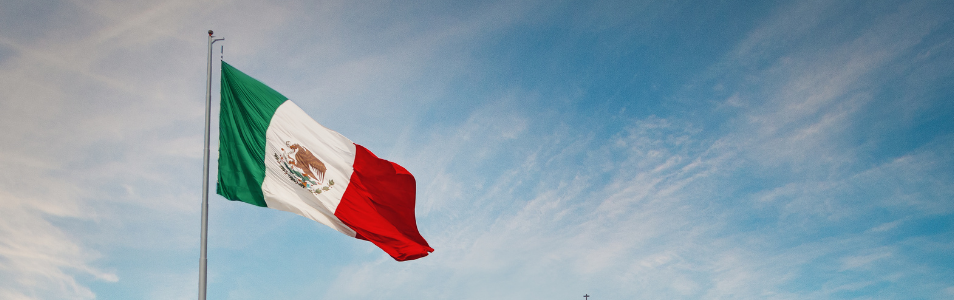
Mexico (3 venues): Estadio Azteca (Mexico City) with its legendary 87,000 capacity and 7,200-foot elevation; Estadio Akron (Guadalajara) for passionate Tapatío culture; Estadio BBVA (Monterrey) in northern Mexico's industrial capital.

Canada (2 venues): BMO Field (Toronto) in multicultural Eastern Canada; BC Place (Vancouver) on the stunning Pacific coast.

United States (11 venues): West Coast trio (Los Angeles, San Francisco Bay Area, Seattle); Texas tandem (Dallas, Houston); Southern anchors (Atlanta, Miami); Midwest presence (Kansas City); Northeast corridor (Boston, Philadelphia, New York/New Jersey).

Planning Your Tournament Experience

Budget Planning: What to Expect

Tickets: Official sales operate through lottery systems 12-18 months before kickoff. Group stage tickets start at $50-$300; knockout rounds escalate significantly with quarterfinals reaching $200-$800, semifinals $300-$1,200, and finals $500-$2,000+. Secondary markets will offer tickets at 25-100% premiums for high-demand matches.

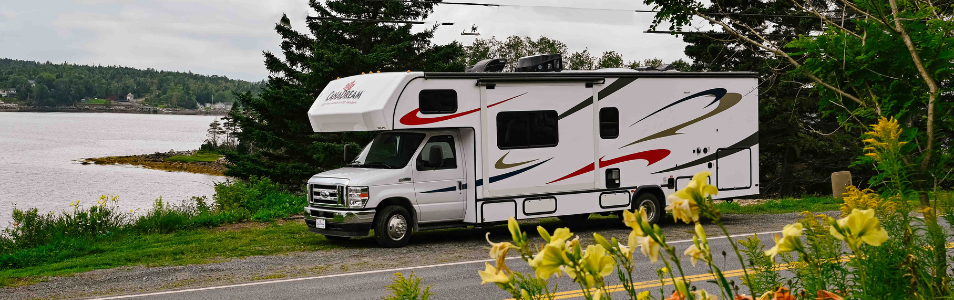
Accommodation Costs: Expect significant premiums near tournament sites during match days. Hotels in prime locations may cost $200-$500+ per night during the tournament. RV rentals for multi-week trips offer better value at $150-$300 per day, with monthly rates providing further discounts. Vacation rentals work well for groups splitting costs. Staying 30-60 miles from venues can cut accommodation costs by 40-60%.

Transportation: Fuel costs for cross-continental driving can reach $500-$1,500 depending on your route and vehicle. Flights between distant tournament sites typically run $150-$400 per segment. Public transit in most host cities costs $3-$10 per day. Budget for parking at stadiums ($30-$75 per match) or ride-shares ($20-$60 each way).

Daily Expenses: Food, drinks, and activities vary by location. Mexico offers favorable exchange rates with daily costs of $40-$80. Canadian cities run higher at $70-$120 daily. US cities range from $60-$150 depending on the region and your dining choices. Fan zone activities are typically free, while tourist attractions range from $15-$50 per person.

Border Crossing Essentials: Mexican auto insurance costs $25-$50 per day. Vehicle temporary import permits for Mexico are approximately $50-$65. Tourist cards (FMM) are around $30. Budget extra for currency exchange fees and understand that credit cards often charge 2-3% foreign transaction fees.

Matchday Experience: What to Know

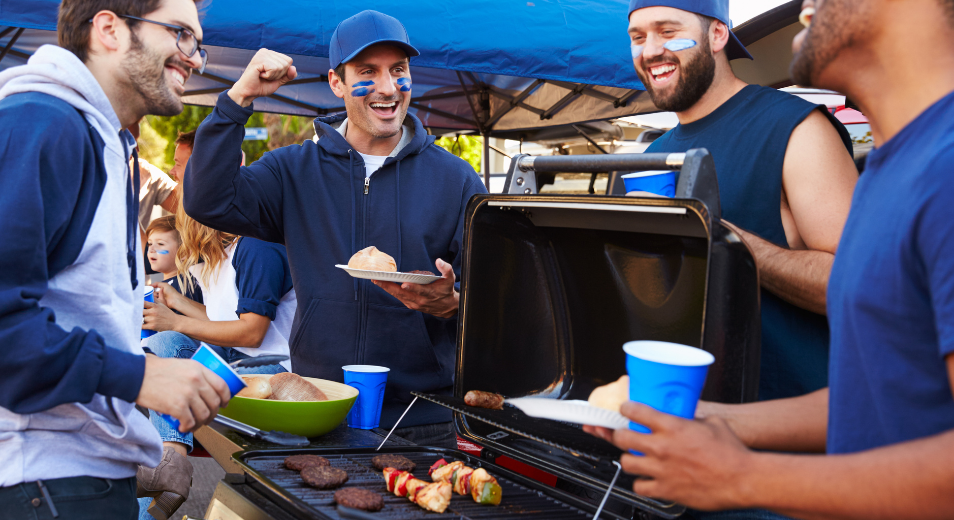
Arrival Timing: Plan to arrive at stadiums 2-3 hours before kickoff. This allows time for parking, security screening, and pre-match atmosphere. While many US stadiums traditionally allow tailgating, regulations for this tournament are stricter. Organised tailgating (large setups/grills) may be prohibited in official stadium lots. RVers should plan to host their 'pre-game' at nearby RV parks or designated Fan Zones, which offer a high-energy atmosphere without the security restrictions.

What to Bring: Most stadiums have strict bag policies with clear bags under 12"x6"x12" are typically permitted. Bring sunscreen for afternoon matches, layers for evening temperature drops, and portable phone chargers. Cash is helpful for vendors, though most venues accept cards.

Stadium Atmosphere: Each venue brings a unique character. Mexican stadiums feature continuous chanting, drums, and trumpet sections. Canadian venues embrace growing soccer culture with organized supporter groups. American stadiums vary by region, so expect BBQ tailgates in Texas, craft beer gardens in the Pacific Northwest, and diverse international fan communities in major metropolitan areas.

Food and Beverage: Stadium concessions reflect regional specialties. Expect tacos and Mexican beer in Guadalajara, poutine in Toronto, lobster rolls in Boston, and BBQ in Kansas City. Prices run higher than street prices, so budget $15-$25 per person for basic stadium meals and $10-$15 per beer.

Post-Match Logistics: Exiting stadiums with 50,000-70,000+ fans takes time. Public transit systems will be crowded for 60-90 minutes after final whistle. If driving, expect 45-90 minutes to exit parking areas. Many fans stay in fan zones or nearby bars for 1-2 hours post-match to let crowds disperse.

Language Considerations: In Mexican venues, Spanish dominates though tourist areas and stadiums will have English signage. Canadian venues operate in English (Toronto and Vancouver are primarily English-speaking, though Toronto has French services available). US venues are primarily English with Spanish widely spoken in Texas, California, and Florida markets.

Essential Logistics

Accommodation Strategy: Hotels near venues book 12+ months in advance. Consider RV travel (combines transportation and lodging), vacation rentals, staying 30-60 miles out and commuting, or establishing regional base camps for day trips.

Border Crossings:

  • US-Canada requires valid passports and honest declaration of goods
  • US-Mexico requires vehicle temporary import permits, mandatory Mexican auto insurance, and tourist cards (FMM)
  • Plan for multiple US entries if traveling between Canada and Mexico

Time Zones: North America spans four time zones. A 6 PM match in Vancouver starts at 9 PM in New York. Tournament organizers will balance local attendance with global television audiences.

Frequently Asked Questions

Check out these FAQs for answers to any 2026 Soccer Game related questions. 

Don't see what you're looking for? 

Yes, you can travel Cross-Border to watch USA matches. Guests must pay the US driving fee before entering the USA and ensure they have informed our reservation team prior to pick up. 

No, Mexico is a prohibited area wile travelling with CanaDream. Please see our Prohibited Area Map for further details. 

If you have planned on watching any matches in Mexico, El Monte RV permits cross-border travel to Mexico for Guests who secure approval in advance. 

All of our vehicles will be avilable for you to rent during the 2026 Soccer Games. See all vehicles here

Consider adding Flexible Change Cover at booking. It’s designed to give Guests more freedom to amend travel plans around major events. 

Click here to view the full Cancellation Policy. 

Start by identifying which matches you want to attend, then build your RV route connecting those event locations with travel days between matches. The tournament's group stage runs June 11-27, with knockout rounds from June 30 through the July 19 final. Build flexibility into your schedule as knockout round locations depend on group stage results and won't be confirmed until teams advance.

Every rental includes a full kitchen, bathroom, sleeping areas, heating and air conditioning, and 24/7 emergency roadside assistance. Base mileage allowances vary by rental duration, with additional miles available for purchase. Essential add-ons like kitchen kits, linens, outdoor furniture, and liability reduction can be selected through Travel Extras.

Tailgating traditions and regulations vary by stadium, with some venues offering robust tailgating areas while others have restrictions. US stadiums generally embrace tailgating culture, with designated zones for grills, games, and pre-match celebrations. Canadian venues may have more limited tailgating options, while Mexican stadiums vary by location. Check specific venue policies when planning your trip, and bring portable grills, folding tables, and team decorations to create your mobile fan zone.

Prioritize campgrounds offering full hookups (water, electric, sewer), clean restroom facilities, and either proximity to stadiums or public transportation connections. Additional valuable amenities include Wi-Fi for checking match updates, laundry facilities for extended trips, and dump stations for waste management. 

Yes, as per our Pet Policy, Guests can bring up to 2 animals. See Pricing Page for pricing details. 

Please check with U.S. Customs and Border Protections to ensure requirements are met if you wish to bring your animals into the USA.

Find tickets here

Absolutely, and RV travel is ideal for multi-city soccer game experiences. Check out our recommended itineraries to connect event locations over multiple days, allowing you to experience diverse match atmospheres while exploring regional attractions between games.

Book early to secure the best RV rental rates, cook meals in your RV rather than dining out for every meal, and travel during shoulder days between matches when campground rates may be lower. Check Rental Deals for seasonal promotions and long-term rental discounts.

Pack layers for varying climates, comfortable walking shoes, team jerseys and colors, sunscreen, tailgating supplies (portable grill, folding chairs, cooler), and camera equipment for capturing memories. Don't forget essential documents (passports, rental agreement, insurance), prescription medications, and chargers for electronics. Our comprehensive packing guides provide detailed lists organized by category and trip duration.

RV travel is very safe when following standard precautions: lock doors when away, park in well-lit campgrounds, don't leave valuables visible, and stay aware of your surroundings. All CanaDream RV rentals include 24/7 emergency roadside assistance. 
back to top
Home Experiences Campgrounds Hotels Gas Stations