Navigate the stage of the event in an RV. Get travel essentials for Mexico City during the international football tournament.
Mexico City International Football: Travel Guide
May 19th 2026
| 5 Minutes Read
Mexico City International Football Tournament Guide: Stadium Area and Travel Essentials
Table of Contents
- Mexico City’s Tournament Role
- The CanaDream Reality
- Getting to Mexico City
- Neighbourhood Selection
- Understanding Elevation
- Getting to Mexico City Stadium
- Match Day Experience
- Exploring Mexico City
- Food and Dining
- Safety Considerations
- Practical Details
- Sample Itinerary
- Alternative: Skip Mexico City
Mexico City launches the 2026 International Soccer Tournament with the opening match on June 11, setting the stage for one of football’s greatest gatherings. This massive metropolis at 2,240 metres elevation hosts five matches at Mexico City Stadium, a legendary venue with decades of football history. For Canadian RVers, Mexico City presents significant challenges as CanaDream vehicles cannot cross into Mexico, requiring careful planning to experience this historic action hub.
Mexico City’s Tournament Role
- June 11, Match 1: Mexico vs. South Africa, The Opening Match
- June 17, Match 24: Uzbekistan vs. Colombia
- June 24, Match 53: UEFA Playoff Winner D, Czechia/Ireland/Denmark/N. Macedonia, vs. Mexico
- June 30, Match 79: Round of 32, Winner Group A vs. 3rd Place Group C, E, F, H, or I
- July 5, Match 92: Round of 16, Winner Match 79 vs. Winner Match 80
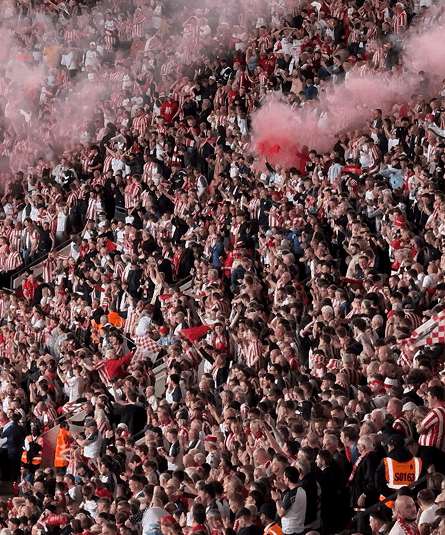
This schedule positions Mexico City as the tournament’s ceremonial starting point, where the football world creates an unforgettable atmosphere. The opening match generates enormous energy, with Mexican fans filling the stadium and surrounding neighbourhoods with celebration. The addition of the Round of 16 match means fans can experience nearly a month of top-tier football in Mexico’s capital.
The CanaDream Reality
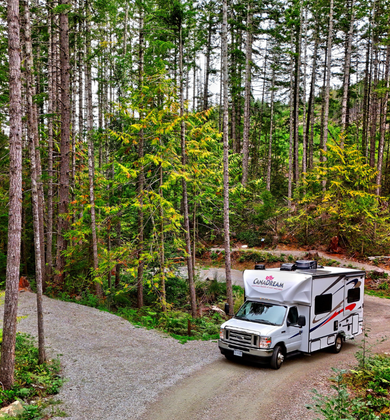
CanaDream RVs cannot enter Mexico due to insurance restrictions and cross-border regulations. Canadian travellers wanting to experience Mexico City’s matches must fly from Canada or drive to a US border city, then fly or take ground transportation into Mexico. Your RV stays parked at a Canadian or American location while you visit Mexico City through conventional travel methods.
This limitation means Mexico City represents a departure from RV-based tournament travel. Budget for flights, hotels, ground transportation, and dining differently than other tournament venues, where your CanaDream vehicle provides accommodation and kitchen facilities.
Getting to Mexico City
Direct Flights
Air Canada, WestJet, and Aeromexico operate direct flights from Toronto, Vancouver, Montreal, and Calgary to Mexico City’s Benito Juárez International Airport. Flight times range from five to six hours. Book tournament-date flights early, as demand increases significantly around match days. Expect premium pricing during the tournament’s opening week, particularly around June 11.
Airport to City Centre
The airport sits approximately 13 kilometres east of central Mexico City. Authorised taxi booths inside terminals charge 250 to 400 pesos, $20 to $30 CAD, to central neighbourhoods. Uber and Didi offer rides for 150 to 300 pesos, $12 to $25 CAD, typically providing better value. Metro Line 5 connects Terminal 1 to central stations for approximately 5 pesos but involves crowded trains with luggage.
Neighbourhood Selection
Roma and Condesa
These adjacent central neighbourhoods balance historic architecture, contemporary culture, and walkable streets lined with cafés and restaurants. Accommodation ranges from hostels to mid-range hotels, with tournament-date pricing from $80 to $250 USD nightly. The distance to Mexico City Stadium is approximately 18 to 20 kilometres.
Polanco
This upscale neighbourhood attracts international travellers with hotels ranging from $150 to $500 USD nightly. Polanco feels safe and international, though it lacks historic character. The area is approximately 20 kilometres from the stadium.
Centro Histórico
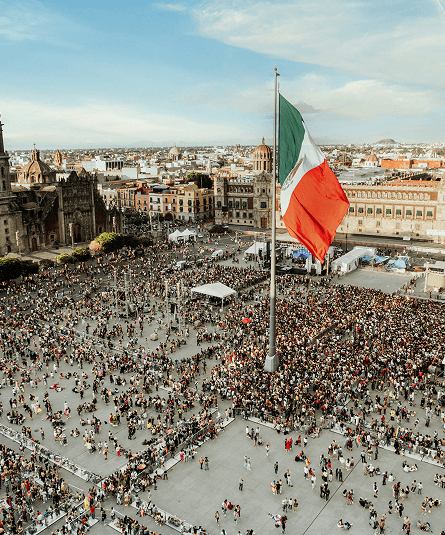
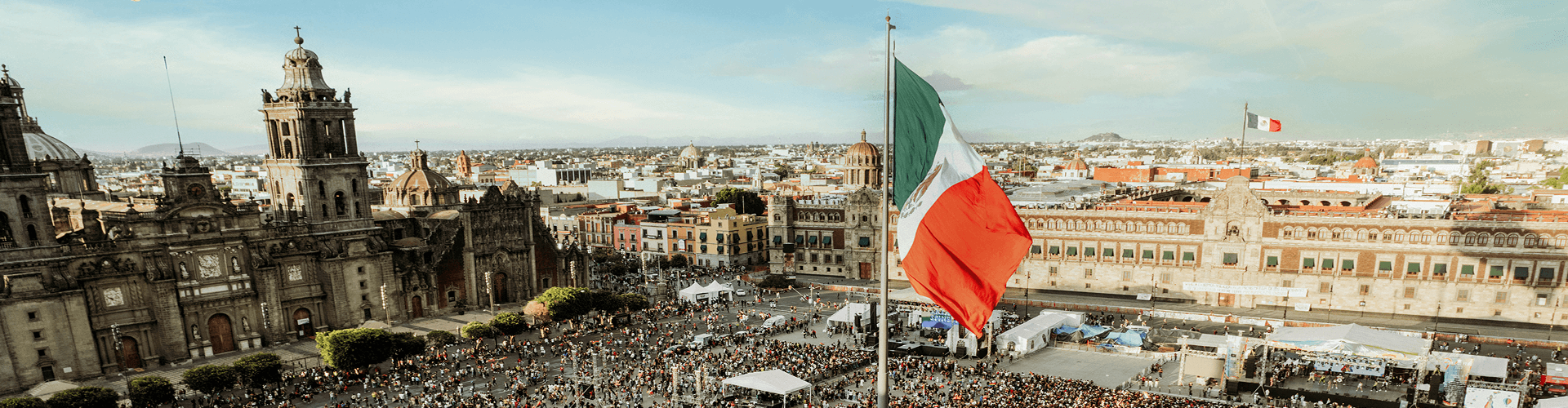
The historic heart contains the Zócalo plaza, the Metropolitan Cathedral, and Templo Mayor ruins. Hotels span $50 to $300 USD nightly. The area pulses with constant activity and sits approximately 25 kilometres from the stadium. Stay within the Perímetro A, the most heavily policed and tourist-friendly zone for optimal safety.
Understanding Elevation
Mexico City sits at 2,240 metres above sea level. Canadians from sea-level cities will notice thinner air immediately, causing shortness of breath, fatigue, and mild headaches. Arrive at least 24 hours before matches for partial acclimatization. Drink more water than usual and limit alcohol consumption. Most visitors adjust within 48 hours.
Getting to Mexico City Stadium
Metro and Metrobús
Metro Line 2 stops at Taxqueña station, approximately two kilometres from the stadium. From there, take buses or collective taxis. Metro costs 5 pesos. Metrobús Line 2 along Insurgentes Avenue offers another option for approximately 6 pesos. Both involve crowds on match days.
Look for “Mexico City Stadium” on all official tournament signage and transit directions. While locals know the venue by its historic name, official tournament branding uses Mexico City Stadium exclusively.
Taxis and Ride-Sharing
From Roma or Condesa, expect fares of 150 to 250 pesos, $12 to $20 CAD, each way. Match-day surge pricing increases costs after final whistles. Pre-arrange return transportation or prepare for extended wait times.
Match Day Experience
Mexico City Stadium holds approximately 87,000 spectators and ranks among football’s most iconic venues. Arrive at least two hours before kickoff for security screening. Prohibited items include large bags, outside food and beverages, and professional cameras.
June weather brings temperatures of 25 to 28°C during the day, cooling to 15 to 18°C by evening. The stadium lacks full roof coverage. Bring sun protection and light rain gear. Stay hydrated, particularly important at elevation.
The opening match on June 11 will generate an extraordinary atmosphere with deafening noise and constant singing. This energy makes the experience unforgettable but can feel overwhelming for those unaccustomed to Latin American football culture.
Exploring Mexico City
Museo Nacional de Antropología
This world-renowned museum in Chapultepec Park houses Mexico’s most important archaeological collections, showcasing Aztec, Maya, Olmec, and other pre-Columbian civilizations. Plan three to four hours minimum. The museum sits within Chapultepec Park’s massive urban forest.
Teotihuacán
These pyramids sit approximately 50 kilometres northeast of Mexico City. The Pyramid of the Sun ranks among Mesoamerica’s largest structures. Organised tours depart daily, lasting six to eight hours. Visit early in the morning to avoid heat and crowds.
Palacio de Bellas Artes
This Art Nouveau masterpiece houses murals by Diego Rivera and other famous Mexican artists. Admission costs approximately 70 pesos, $5 CAD. The building hosts concerts and ballet performances.
Xochimilco Canals
Ancient agricultural canals feature colourful boats navigating waterways with lunch, music, and a relaxed atmosphere. Located approximately 30 kilometres from central neighbourhoods, accessible by metro and light rail.
Food and Dining
Street Food
Taco stands throughout Roma, Condesa, and Centro Histórico serve exceptional tacos al pastor for 15 to 25 pesos, $1 to $2 CAD, each. Look for stands with steady customer flow, indicating fresh ingredients.
Markets
Mercado de San Juan specializes in gourmet products. Mercado Roma features upscale food stalls. Mercado de Coyoacán provides a traditional market atmosphere with local vendors.
Restaurants
Mid-range restaurants offer excellent meals for $30 to $60 CAD per person. Fine dining establishments require advance reservations and cost $100 to $300 CAD per person.
Safety Considerations
Stay in established neighbourhoods like Polanco, Roma, Condesa, and the Perímetro A zone of Centro Histórico. Use authorized taxis or ride-sharing apps rather than street cabs. Avoid displaying expensive items. Keep belongings secure in crowded places. Travel in groups when possible, particularly after dark.
Drink bottled water exclusively. Restaurants in tourist areas generally serve purified water and ice. Travel insurance covering Mexican medical emergencies is essential.
Practical Details
Currency and Banking
Mexican pesos are the official currency. Exchange at Mexican banks rather than airport kiosks for better rates. ATMs dispense pesos at favourable exchange rates. Credit cards work at most establishments, with Visa and Mastercard enjoying the widest acceptance.
Mobile Connectivity
Major Canadian providers like Telus, Rogers, and Bell offer “Roam Like Home” packages for Mexico, often easier than buying local SIMs for short stays. Local OXXO SIM cards remain the cheapest option for high-data users, with tourist packages offering data and calling for approximately 300 to 500 pesos, $20 to $35 CAD, weekly.
Language
Spanish dominates with limited English outside tourist areas. Learn basic phrases and use translation apps for menus and signage.
Sample Itinerary
Day 1
Arrive early afternoon, check into the Roma or Condesa hotel, rest and adjust to the elevation. Evening neighbourhood walk and casual dinner.
Day 2
Morning visit to Zócalo, Metropolitan Cathedral, and Templo Mayor. Afternoon at Palacio de Bellas Artes.
Day 3
Opening match day. Depart midday to Mexico City Stadium, arriving two hours before kickoff. Experience the match and post-game atmosphere.
Day 4
Full day at Museo Nacional de Antropología and Chapultepec Park.
Day 5
Early morning tour to Teotihuacán. Evening exploration of Coyoacán.
Day 6
Morning departure back to Canada or onward to the next tournament venue.
Alternative: Skip Mexico City
Honestly assess whether Mexico City’s five matches justify the expense when you cannot use your CanaDream RV. Tournament packages often cost $2,000 to $4,000 CAD per person for three to four days.
Canadian travellers focused on RV-based experiences might skip Mexico entirely, concentrating on the 91 matches in Canada and the United States. Toronto hosts six matches, including Canada’s opening game. Vancouver welcomes seven matches. American cities offer 78 matches accessible with your RV.
However, Mexico City’s opening match creates a once-in-a-lifetime atmosphere. The stadium’s legendary status and Mexican football passion deliver experiences unavailable at other venues. If budget and schedule permit, the investment rewards passionate football fans.
Disclaimer: Not affiliated with or endorsed by FIFA or the FIFA World Cup 2026. Tailgating rules, parking regulations, and match times vary significantly by stadium and action hub. Tournament regulations for the 2026 international soccer tournament may differ from standard stadium policies. Please check official rules and times for your specific venue before you head out.
Frequently Asked Questions
Check out these FAQs for answers to any 2026 Soccer Game related questions.
Don't see what you're looking for?
Yes, you can travel Cross-Border to watch USA matches. Guests must pay the US driving fee before entering the USA and ensure they have informed our reservation team prior to pick up.
No, Mexico is a prohibited area wile travelling with CanaDream. Please see our Prohibited Area Map for further details.
If you have planned on watching any matches in Mexico, El Monte RV permits cross-border travel to Mexico for Guests who secure approval in advance.
If you have planned on watching any matches in Mexico, El Monte RV permits cross-border travel to Mexico for Guests who secure approval in advance.
All of our vehicles will be avilable for you to rent during the 2026 Soccer Games. See all vehicles here.
Consider adding Flexible Change Cover at booking. It’s designed to give Guests more freedom to amend travel plans around major events.
Click here to view the full Cancellation Policy.
Click here to view the full Cancellation Policy.
Start by identifying which matches you want to attend, then build your RV route connecting those event locations with travel days between matches. The tournament's group stage runs June 11-27, with knockout rounds from June 30 through the July 19 final. Build flexibility into your schedule as knockout round locations depend on group stage results and won't be confirmed until teams advance.
Every rental includes a full kitchen, bathroom, sleeping areas, heating and air conditioning, and 24/7 emergency roadside assistance. Base mileage allowances vary by rental duration, with additional miles available for purchase. Essential add-ons like kitchen kits, linens, outdoor furniture, and liability reduction can be selected through Travel Extras.
Tailgating traditions and regulations vary by stadium, with some venues offering robust tailgating areas while others have restrictions. US stadiums generally embrace tailgating culture, with designated zones for grills, games, and pre-match celebrations. Canadian venues may have more limited tailgating options, while Mexican stadiums vary by location. Check specific venue policies when planning your trip, and bring portable grills, folding tables, and team decorations to create your mobile fan zone.
Prioritize campgrounds offering full hookups (water, electric, sewer), clean restroom facilities, and either proximity to stadiums or public transportation connections. Additional valuable amenities include Wi-Fi for checking match updates, laundry facilities for extended trips, and dump stations for waste management.
Yes, as per our Pet Policy, Guests can bring up to 2 animals. See Pricing Page for pricing details.
Please check with U.S. Customs and Border Protections to ensure requirements are met if you wish to bring your animals into the USA.
Please check with U.S. Customs and Border Protections to ensure requirements are met if you wish to bring your animals into the USA.
Find tickets here.
Absolutely, and RV travel is ideal for multi-city soccer game experiences. Check out our recommended itineraries to connect event locations over multiple days, allowing you to experience diverse match atmospheres while exploring regional attractions between games.
Book early to secure the best RV rental rates, cook meals in your RV rather than dining out for every meal, and travel during shoulder days between matches when campground rates may be lower. Check Rental Deals for seasonal promotions and long-term rental discounts.
Pack layers for varying climates, comfortable walking shoes, team jerseys and colors, sunscreen, tailgating supplies (portable grill, folding chairs, cooler), and camera equipment for capturing memories. Don't forget essential documents (passports, rental agreement, insurance), prescription medications, and chargers for electronics. Our comprehensive packing guides provide detailed lists organized by category and trip duration.
RV travel is very safe when following standard precautions: lock doors when away, park in well-lit campgrounds, don't leave valuables visible, and stay aware of your surroundings. All CanaDream RV rentals include 24/7 emergency roadside assistance.